Which is Better Value? Dji Osmo Nano vs Canon Eos C50 Compared
Introduction
The explosion of content creation has driven the demand for powerful, easy-to-use cameras that suit both casual vloggers and professional videographers alike. Among the newest contenders in the camera world, the Dji Osmo Nano and Canon Eos C50 stand out as intriguing options—each appealing to a slightly different segment of users. For those navigating the sometimes overwhelming variety of camera options, understanding what makes these two models special can be the key to making the right investment. This article presents a detailed, side-by-side review to uncover where each device excels, who should consider them, and ultimately — which offers the better value for specific needs.
Dji Osmo Nano: Compact Innovation for Everyday Creators
Feature Overview
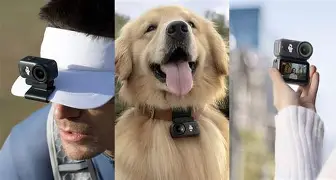
The Dji Osmo Nano is designed for users who want to take their mobile content creation to the next level. Sporting a compact build and smart stabilization features, the Nano offers a blend of accessibility and creative control, typical for the modern on-the-go vlogger or family videographer. The main appeal lies in its simplicity and integration with smartphones, making professional-looking videos available to the masses without steep learning curves.
- Compact and lightweight design — easily fits in a pocket or small bag
- 3-axis gimbal stabilization for smooth shooting on the move
- Smart tracking features and subject recognition
- High-resolution sensor — generally between 1/2.3” to 1” depending on model iteration
- Mobile app integration for editing, presets, and sharing
- Competitive battery life for daily vlogging or long travel days
Real-World Use Cases
Owners of the Osmo Nano typically include travel enthusiasts, students, vloggers, or families looking for a reliable camera that’s always ready to shoot. Its instant setup means spur-of-the-moment antics or beautiful sunsets aren’t missed — while stabilization ensures professional results even when chasing kids or hiking up a mountain. The ease of sharing to social platforms makes it appealing for those who want to publish frequently.
Pros & Cons
- Pros:
- Extremely portable and lightweight
- User-friendly — minimal setup, intuitive controls
- Strong stabilization for mobile shooting
- Affordable compared to professional camcorders
- Excellent battery life for its size
- Cons:
- Limited sensor size impacts low-light performance
- Fewer manual controls for experienced shooters
- Not weather-sealed — less rugged for extreme environments
- Audio quality dependent on built-in mic or phone input
- Some features rely heavily on smartphone integration
Canon Eos C50: Professional-Grade Power in a Compact Shell
Feature Overview
A member of Canon’s acclaimed Cinema EOS lineup, the Canon Eos C50 targets working professionals and advanced enthusiasts who need cinematic quality in a small body. This camera bridges the gap between compactness and professional requirements — boasting larger sensors, interchangeable lenses, and extensive manual controls. While pricier and bulkier than the Osmo Nano, the C50 delivers broadcast-ready output and creative flexibility.
Find top-rated Cameras & Photography products at great prices.
Browse Now →- Super 35mm Dual Gain Output (DGO) sensor for impressive low-light handling and dynamic range
- Interchangeable lens compatibility with Canon RF mount and adapts legacy lenses
- Cinema-grade 4K and slow-motion recording at various bitrates and formats
- Advanced autofocus and subject tracking powered by Canon Dual Pixel technology
- Professional audio input options (XLR, mini-jack)
- Robust, modular body with mounting points for rigs and accessories
Real-World Use Cases
The C50 excels on narrative film sets, documentaries, commercial shoots, and multi-camera live events. Its ruggedness and modularity make it the tool of choice for professionals who need to build out their rig with external monitors, microphones, and power solutions. Buyers typically care about color grading flexibility, dynamic range, and reliability under demanding conditions.
Pros & Cons
- Pros:
- Outstanding video quality, even in low light
- Flexible lens and accessory ecosystem
- Professional-grade audio and connectivity
- Multiple recording formats suit broadcast and indie film needs
- Durable build for frequent travel and use
- Cons:
- Significantly more expensive than consumer options
- Larger and heavier, less pocketable than Nano
- Steeper learning curve, requires understanding of manual controls
- Higher accessory costs (lenses, batteries, storage)
- Not as instantly shareable for social media without post-processing workflow
Dji Osmo Nano vs Canon Eos C50: Side-by-Side Comparison
| Feature | Dji Osmo Nano | Canon Eos C50 |
|---|---|---|
| Target User | Casual vloggers, families, travel shooters | Professional videographers, indie filmmakers |
| Sensor Size | 1/2.3” or 1” (compact) | Super 35mm (APS-C, large) |
| Video Resolution | 4K up to 30fps | 4K up to 120fps, plus cinema formats |
| Stabilization | 3-axis mechanical gimbal | Digital IS + tripod/rig mounting options |
| Manual Controls | Basic, most via app | Extensive physical and menu controls |
| Lenses | Fixed, integrated | Interchangeable (RF, EF via adapter) |
| Audio Input | Internal mic, smartphone mic | XLR, 3.5mm, multiple audio tracks |
| Batteries | Built-in; USB-C charging | Removable, long-life Canon batteries |
| Weight | ~150g | ~1.1kg (body only, plus lens) |
| Price Range | $300 - $500 | $3,000 - $4,500 (body only) |
| Ideal Workflow | Shoot, edit, share instantly | Shoot, edit in post, color grade, publish |
Buying Guide: Which Camera Suits Your Needs?
Choosing between the Dji Osmo Nano and the Canon Eos C50 requires an honest assessment of your actual needs, shooting style, and future growth as a creator. Below are key buying considerations to guide your decision.
Skill Level and Workflow
- Beginner or Casual Creator: The Dji Osmo Nano is ideal thanks to its ease of use, quick setup, and smartphone integration. If you prioritize shooting spontaneity and sharing speed, it’s the clear choice.
- Professional or Aspiring Filmmaker: If your ambitions include cinematic storytelling, commercial work, or broadcast production, the Canon Eos C50’s flexibility and technical prowess justify its investment.
Budget Considerations
- Cost-Sensitive Buyers: The Nano offers tremendous value, giving high-quality stabilized footage at a fraction of the cost of cinema cameras. Ongoing costs (no lens upgrades, low-cost accessories) remain minimal.
- Investment for Growth: The C50 suits those thinking several years ahead — offering compatibility with professional lenses, pro audio setups, and adaptable rigs, albeit at a steeper initial and ongoing price.
Portability vs. Flexibility
- On-the-Go Storytellers: The Nano’s portability means it’s always with you, ready to document everyday experiences or travel adventures.
- Customizable Setups: The C50’s modularity allows shooters to build precise rigs for every project, from handheld documentary work to studio environments. However, it’s less convenient for pocket carry or spontaneous shooting.
Image Quality
- Social Media & YouTube: The Nano meets all current platform needs — crisp 4K, easy upload, and sufficient stabilization.
- Film, TV, and Commercials: The C50’s Super 35mm sensor, color science, and bit depth provide significant advantages, especially for projects that will undergo heavy editing or color grading.
Accessories & Ecosystem
- Plug-and-Play: Most Nano owners never need anything beyond a carrying case or maybe an external mic.
- Expandable System: The C50 can grow with your needs—new lenses, monitors, follow focus, etc.—but keep in mind the additional costs and complexity.
Conclusion
There is no absolute winner between the Dji Osmo Nano and the Canon Eos C50 — their strengths cater to distinctly different creators. The Dji Osmo Nano is the perfect companion for everyday moments, travel adventures, or spontaneous social content — anyone looking for simplicity, portability, and excellent performance at a modest price will feel right at home. On the other hand, the Canon Eos C50 is undeniably the superior choice for professionals seeking cinematic quality and system flexibility, with the expectation of a higher upfront and ongoing investment.
Find top-rated Cameras & Photography products at great prices.
Shop Amazon →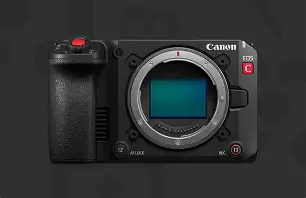
When considering value, prospective buyers should define what “value” means in the context of their projects, technical needs, and workflows. For the majority of casual creators, the Osmo Nano gives unbeatable convenience and ease of use. For serious videographers or those growing a creative business, the Eos C50 is a future-proof purchase. Each delivers exceptional results within its domain — the real value lies in picking the right tool for your creative journey.