Is the Samsung Galaxy S26 Ultra better than the iPhone 17 Pro? We Tested Both
The annual collision between Samsung and Apple represents more than just a hardware refresh; it defines the technological ceiling of the mobile industry for the year. With the release of the Samsung Galaxy S26 Ultra and the iPhone 17 Pro, we are seeing two distinct philosophies on what a "Pro" device should be. For the better part of a decade, these two titans have traded blows in camera optics, display brilliance, and processing efficiency. This year, the focus has shifted from raw specs to integrated intelligence and the refinement of materials. Buyers are no longer just looking for the fastest chip; they are looking for the device that best manages their life, captures their memories with the highest fidelity, and survives the rigors of daily use without degrading after twelve months. We spent several weeks living with both the Galaxy S26 Ultra and the iPhone 17 Pro as our primary devices to determine which one earns the crown for the current generation.
Design and Build Quality: Titanium vs. Reinforced Alloys
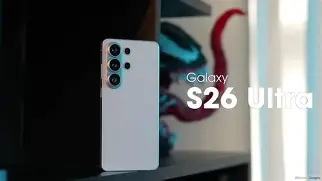
In terms of physical presence, Samsung continues its tradition of the "foundry" aesthetic—sharp corners, a massive footprint, and an industrial elegance that feels like a piece of high-end architectural hardware. The Galaxy S26 Ultra utilizes a new Grade 5 titanium frame that has been further refined for weight reduction compared to the previous year. It is a large phone, unapologetically so, designed for those who want maximum screen real estate. The integration of the S Pen remains a key design differentiator; the fact that a stylus lives inside the chassis without compromising the IP68 water resistance or battery capacity is a feat of engineering that Apple has yet to replicate.
The iPhone 17 Pro, by contrast, feels like a precision medical instrument. Apple has stuck with its titanium design but has introduced a "molded glass" back that curves slightly into the frame, making it significantly more comfortable to hold than the sharp-edged iPhones of the recent past. The iPhone 17 Pro is the "smaller" of the two flagships, appealing to users who value one-handed usability and pocketability. While there is an iPhone 17 Pro Max available, the standard Pro model we tested maintains a density and balance that feels premium without being cumbersome. The new "Action Button" and the refined "Camera Control" capacitive sensor on the side have become more tactile, offering a level of physical interaction that Samsung’s software-heavy approach sometimes lacks.
Display Technology: The Battle for Peak Brightness
Samsung has always been the king of displays, and the S26 Ultra features the latest Dynamic AMOLED 3X panel. This year, the breakthrough is in anti-reflective coating. Even under direct noon sunlight, the screen maintains a deep contrast that makes other phones look washed out. The resolution remains at QHD+, but the variable refresh rate has been tuned to be even more responsive, dropping down to 1Hz when viewing static text to preserve battery life. The colors are vibrant—some might say saturated—but they provide an "eye-popping" experience that is ideal for media consumption and gaming.
Apple’s ProMotion display on the iPhone 17 Pro takes a different path. While its peak brightness levels now match Samsung’s in HDR scenarios, Apple focuses on color accuracy and "True Tone" transitions. The iPhone 17 Pro display feels "calmer" and more natural. The Dynamic Island has shrunk slightly this year, providing more usable pixels at the top of the screen. For professional photographers and videographers, the iPhone’s display remains the gold standard for previewing content exactly as it will look on other calibrated screens. However, for sheer "wow factor" when watching a 4K movie, the Samsung’s larger, nearly bezel-less canvas is hard to beat.
Performance and AI Integration
Under the hood, we are seeing the most significant divergence in years. The Galaxy S26 Ultra is powered by the Snapdragon 8 Gen 5 "For Galaxy" chipset. This silicon is a beast when it comes to multitasking. You can run three apps at once in split-screen mode without a hint of lag. Samsung has also leaned heavily into its "Galaxy AI" suite. Features like real-time voice translation during calls and the "Circle to Search" functionality have become faster and more accurate, moving from gimmick territory into genuine utility. The S26 Ultra also handles thermal management exceptionally well, thanks to a massive internal vapor chamber that prevents the phone from throttling during long gaming sessions.
Shop the latest Electronics picks on Amazon.
See Deals →The iPhone 17 Pro uses the A19 Pro chip, built on an industry-leading 2nm process. While the raw benchmarks might show the iPhone and Galaxy trading places depending on the test, the iPhone 17 Pro wins in "instantaneous response." Switching between the camera app and taxing social media apps feels slightly more fluid on iOS. Apple Intelligence has also matured; the Siri experience is now truly contextual. It can find a specific photo based on a vague description of what you were wearing or summarize a long thread of work emails with surprising nuance. Apple’s approach to AI feels more integrated into the OS, whereas Samsung’s feels like a powerful set of tools you call upon when needed.
Camera Systems: Zoom vs. Consistency
For many, the camera is the deciding factor. The Galaxy S26 Ultra continues to dominate the "specs war" with its 200MP main sensor and its periscope zoom lens. The 50MP 5x optical zoom is the standout; it captures sharp, usable images at 10x and even 30x digital magnification. For bird watchers, concert-goers, or those who simply like to capture architectural details from across the street, the S26 Ultra has no equal. Samsung has also worked hard on its shutter lag, which was a historical complaint. It is now much faster, making it easier to capture moving subjects like pets or children, though Apple still holds a slight edge here.
The iPhone 17 Pro sticks with a triple 48MP array but has upgraded the sensors to allow for better light intake. The result is a camera that is virtually impossible to "mess up" with. You point, you shoot, and you get a well-exposed, color-accurate image every time. The iPhone 17 Pro’s "ProRes" video remains the industry leader; the stabilization is so smooth it looks like it was shot on a motorized gimbal. While Apple’s zoom maxes out at a 5x optical range—matching Samsung’s base zoom—it lacks the extreme long-range clarity of the Ultra. However, for portrait mode and natural skin tones, the iPhone 17 Pro is still the preferred choice for most users.
Comparison of Key Specifications
| Feature | Samsung Galaxy S26 Ultra | iPhone 17 Pro |
|---|---|---|
| Display | 6.8-inch Dynamic AMOLED 3X (1-120Hz) | 6.3-inch Super Retina XDR (1-120Hz) |
| Processor | Snapdragon 8 Gen 5 for Galaxy | A19 Pro (2nm) |
| Main Camera | 200MP Wide / 12MP Ultra-Wide / 50MP 5x Telephoto | 48MP Wide / 48MP Ultra-Wide / 48MP 5x Telephoto |
| Battery Life | 5,000 mAh (Approx. 2 days) | Approx. 1.5 days |
| Input Method | Touch, S Pen (Internal), Voice | Touch, FaceID, Action Button, Camera Control |
| Charging Speed | 45W Wired / 15W Wireless | 27W Wired / 15W MagSafe |
| OS Support | 7 Years of Updates | Likely 7+ Years of Updates |
Pros and Cons: Samsung Galaxy S26 Ultra
- Pro: The S Pen remains an unmatched tool for productivity, allowing for precise note-taking, photo editing, and remote camera control.
- Pro: Industry-leading zoom capabilities make it the best camera for outdoor events and travel photography.
- Pro: The display’s anti-reflective coating is a game-changer for visibility in bright environments.
- Pro: Multitasking features like DeX and split-screen mode are far superior to the iPhone’s equivalent offerings.
- Con: The large, boxy design can be uncomfortable for users with smaller hands or those who prefer slim pockets.
- Con: Some AI features are still buried deep in menus, requiring a learning curve for the average user.
Pros and Cons: iPhone 17 Pro
- Pro: The A19 Pro chip offers incredible efficiency and the best mobile gaming performance currently available.
- Pro: Video recording quality remains the gold standard for content creators, with professional-grade color grading options.
- Pro: The ergonomics of the 6.3-inch frame provide a perfect balance of screen size and portability.
- Pro: The ecosystem integration (AirPods, Apple Watch, Mac) remains seamless and highly reliable.
- Con: Charging speeds are significantly slower than the Samsung, requiring more time at the wall outlet.
- Con: The lack of a high-magnification zoom lens (10x+) feels limiting compared to the S26 Ultra.
Buying Guide: Which One Should You Choose?
Choosing between these two devices usually comes down to your priorities in three areas: screen size, productivity, and ecosystem. If you are someone who uses your phone as a primary work device, the Samsung Galaxy S26 Ultra is the logical choice. The S Pen is not just a stylus; it is a tool for marking up PDFs, signing documents, and managing complex spreadsheets on the go. Furthermore, the 6.8-inch screen is basically a miniature tablet. If you travel frequently or spend a lot of time on public transit, the immersive nature of the Samsung screen makes it a much better companion for watching movies or playing high-fidelity games.

On the other hand, if you value a device that "just works" with zero friction, the iPhone 17 Pro is the safer bet. The consistency of the camera and the fluidity of iOS 19 make for a stress-free user experience. For those already using a Mac or an iPad, the ability to copy text on your phone and paste it on your computer, or to hand off a FaceTime call mid-sentence, is a level of convenience that is hard to walk away from. Additionally, the iPhone 17 Pro has a much higher resale value than Samsung devices, which is something to consider if you plan to upgrade again in two years.
Find top-rated Electronics products at great prices.
Shop Amazon →A secondary consideration is the physical nature of the device. The Samsung is a "two-handed" phone. Even with software tweaks to make elements easier to reach, you will likely be using both hands to navigate most of the time. The iPhone 17 Pro is much more manageable for people who are often multitasking in the physical world—carrying groceries, holding a child’s hand, or commuting on a crowded train. If you want the "big" iPhone experience, you have to move up to the Pro Max, which then brings the size back into direct competition with the Ultra.
Real-World Testing Results
During our testing, we found that battery life on the Galaxy S26 Ultra slightly edged out the iPhone 17 Pro. The 5,000 mAh cell in the Samsung is massive and, combined with the Snapdragon’s efficiency, consistently got us through two full days of moderate use. The iPhone 17 Pro usually ended a heavy day with about 20% remaining, meaning it’s a "charge every night" phone for most users. However, the iPhone’s standby battery drain remains lower; if you leave the phone off the charger overnight, it will likely lose only 1-2%, whereas the Samsung might lose 3-5% as it scans for network updates and background syncs.
In terms of audio quality, the speakers on both devices are excellent, though the iPhone 17 Pro provides a bit more bass and "warmth" to the sound. The Samsung is louder and clearer in the high frequencies, which is better for speakerphone calls but slightly less pleasant for listening to music without headphones. For biometric security, Samsung’s ultrasonic fingerprint sensor is phenomenal—it works even if your fingers are slightly damp. Apple’s FaceID is, as always, incredibly secure and works well in the dark, but it still struggles when the phone is lying flat on a desk or when the user is wearing certain types of polarized sunglasses.
Conclusion
The Samsung Galaxy S26 Ultra and the iPhone 17 Pro are both masterpieces of modern technology, but they serve different masters. The Samsung is a maximalist machine, designed for the user who wants every possible feature, the largest possible screen, and the most versatile camera system ever put into a pocketable device. It is a tool for creators, power users, and those who refuse to compromise on hardware specs. The iPhone 17 Pro is a minimalist masterpiece, focusing on the refinement of the core experience. It prioritizes speed, ease of use, and a camera system that delivers professional results with zero effort. While the "better" phone is ultimately subjective, the Galaxy S26 Ultra wins on raw capability, while the iPhone 17 Pro wins on execution and lifestyle integration. Buyers should look at their daily habits: if your phone is your computer, go with Samsung; if your phone is your gateway to your digital life, go with Apple.