Don't Buy Until You Read This: Tp Link Archer Ge650 vs Tp Link Archer Be3600
Introduction
In the ever-evolving world of home and small business networking, the demand for reliable and high-speed routers has never been greater. As Internet Service Providers (ISPs) offer faster plans and smart devices multiply in households, choosing the right router becomes crucial for seamless connectivity, enjoyable gaming, high-definition streaming, and efficient work-from-home setups. Two powerhouses stand out in TP Link’s modern lineup: the Tp Link Archer Ge650 and the Tp Link Archer Be3600. For buyers weighing stability, speed, features, and long-term value, this head-to-head comparison offers critical insight before making a commitment.
Meet the Contenders
Tp Link Archer Ge650
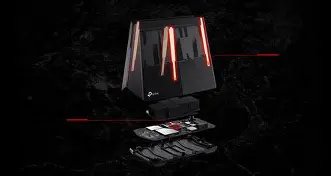
Designed with gamers and streamers in mind, the Archer Ge650 integrates advanced technologies to minimize lag, prioritize critical traffic, and deliver strong WiFi performance throughout mid to large-sized homes. Its aggressive design, high-speed ports, and suite of management features attract both tech enthusiasts and users with demanding real-world workloads.
Tp Link Archer Be3600
The Archer Be3600, a representative of TP Link’s emerging WiFi 7 (802.11be) router lineup, focuses on future-proofing connectivity and catering to busy multi-user environments. With the promise of massive bandwidth, better device handling, and enhanced wireless stability, the Be3600 appeals to families with many smart devices, small business owners seeking reliability, and anyone looking to invest in the next generation of home networking.
Detailed Product Review & Analysis
Hardware & Design
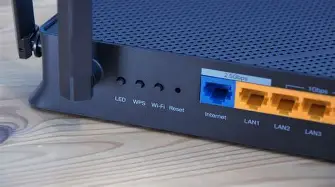
The Archer Ge650 takes an unapologetically “gamer-first” approach to its hardware: multiple high-gain antennas, an angular chassis with prominent ventilation, and robust wired connectivity including multi-gig ethernet support. Its standout feature is typically the 2.5Gbps port for high-speed wired backhaul to PCs or NAS devices.
Meanwhile, the Be3600 adopts a slightly more understated, modern look, but don’t be fooled—under the hood it features support for WiFi 7 (where available), which means improved wireless capacity and lower latency. While the Ge650 focuses on performance tuning and traffic prioritization, the Be3600’s edge is its next-generation technology that benefits everyone, not just gamers.
Looking for the best Laptops & Computers deals on Amazon?
Browse Now →Wireless Performance
For buyers on gigabit internet or homes filled with heavy streamers, the Ge650’s tri-band WiFi 6 and QoS (Quality of Service) engine deliver great experiences. Its adaptive features intelligently shape traffic for online games and video conferences, ensuring minimal buffering and stutter.
In contrast, the Be3600’s promise lies in supporting WiFi 7 devices. The capacity to serve more clients simultaneously with higher throughput (thanks to the massive 3600Mbps combined speed) means homes loaded with smart TVs, security cameras, and tablets will see more consistent performance—even as demands grow. Backwards compatibility also ensures older devices aren’t left behind.
Features & Management
The Ge650’s software leans toward user customization. Gamers will appreciate the gaming dashboard, real-time latency monitoring, and port-forwarding wizards, while parents can leverage robust content controls and scheduling options.
The Be3600, being a newer entry, matches much of these features but with a slant towards whole-home integration—easy-to-use mobile app management, WPA3 security, mesh readiness, and optimized device grouping make it friendly to tech novices and advanced users alike.
Find top-rated Laptops & Computers products at great prices.
Browse Now →Real-World Use Cases
- Gaming Households: Due to its traffic prioritization and ultra-low latency tuning, the Ge650 is particularly well-suited to gamers seeking the lowest ping and least jitter during competitive matches.
- Smart Homes: A family running dozens of smart appliances, cameras, and streaming devices will find the Be3600’s multi-device handling and advanced wireless protocol more future-proof, especially as WiFi 7 adoption grows.
- Remote Work & Learning: Both routers offer secure VPN, separate guest networks, and reliable upload for video calls, but users handling large files might benefit from the faster multi-gig ports on the Ge650 or the massive wireless capacity of the Be3600.
- Small Businesses: For a small business or studio, the Ge650’s wired capabilities may edge out the competition. However, environments where wireless reliability for many users is paramount (like coworking spaces) will appreciate the Be3600.
Pros & Cons
Tp Link Archer Ge650
- Pros:
- Strong prioritization of gaming and latency-sensitive traffic
- Robust wired connectivity, including 2.5Gbps LAN
- Advanced parental and security controls
- Tri-band WiFi 6 support with wide coverage
- Customizable interface tailored for enthusiasts
- Cons:
- Heavier focus on gaming may be overkill for non-gamers
- No support for WiFi 7 (less future-proof)
- Larger, more conspicuous design
- Can be slightly complex for casual users to set up
Tp Link Archer Be3600
- Pros:
- Supports latest WiFi 7 (802.11be) standard
- Superior multi-device handling and wireless capacity
- Mesh compatibility for easy expansion
- Modern, app-driven management
- Excellent backward compatibility for legacy devices
- Cons:
- Benefits most apparent only if you have WiFi 7 devices
- Fewer enthusiast-level customization options compared to Ge650
- Wired ports generally max at gigabit (no 2.5Gbps LAN standard on all models)
- New tech adoption may outpace firmware stability, requiring updates
Side-by-Side Comparison Table
| Feature | TP Link Archer Ge650 | TP Link Archer Be3600 |
|---|---|---|
| WiFi Standard | WiFi 6 (802.11ax) | WiFi 7 (802.11be) |
| Maximum Wireless Speed | Up to 5400 Mbps (Tri-band) | Up to 3600 Mbps (Dual-band, WiFi 7) |
| Antennas | High-gain, external (customizable) | Fixed, internal/external, model-dependent |
| Wired Connectivity | 1x 2.5Gbps LAN/WAN, multiple gigabit LANs | Gigabit LAN/WAN ports (2.5Gbps optional by model) |
| Quality of Service | Advanced, with gaming dashboard | Adaptive, focuses on device prioritization, less on gaming |
| Parental Controls | Yes, advanced scheduling and content filter | Yes, robust, app-manageable controls |
| Mesh Support | Yes (OneMesh ready) | Yes (Easy Mesh, Whole Home WiFi) |
| Security | WPA3, VPN, Antivirus tools | WPA3, Enhanced device grouping, frequent updates |
| Ideal User | Gamers, Enthusiasts, Small business owners | Smart homes, Busy families, Multi-device offices |
| Setup and Management | Web UI, management app, detailed tweaking | App-first, simple onboarding, auto updates |
| Price Point | Premium, gaming router tier | Premium, early adopter WiFi 7 |
Buying Guide: Which Model Is Right For You?
The choice between the Tp Link Archer Ge650 and Archer Be3600 rests on several practical factors. Prospective buyers should consider the following:
- Internet Plan Speed:
- If your provider offers greater than gigabit speeds, you’ll only fully utilize these routers’ multi-gig capabilities if your devices support them. Otherwise, both routers are likely to be “overkill”—which is ideal for future-proofing, but not essential for 300–500Mbps plans.
- Device Ecosystem:
- Homes with multiple modern devices or many users (children, video streamers, remote workers) will find the Be3600’s WiFi 7 platform more appealing, especially for device concurrency and dense environments.
- Power users—those with a NAS, gaming PC, or multi-gig hardware—may find the Ge650’s 2.5Gbps port and network features more beneficial.
- Gaming & Streaming:
- Competitive players and those running streaming rigs will take advantage of the Ge650’s latency-focused features—prioritized traffic lanes, anti-bufferbloat engines, and customizable port forwarding.
- General users who value stable Netflix or YouTube streams for every device won’t see a huge difference, but the Ge650’s software extras may still be useful for bandwidth shaping.
- Home Size & Layout:
- Larger houses should consider which router pairs better with mesh nodes. The Be3600 offers seamless mesh integration for expanding coverage without complexity, while the Ge650 offers OneMesh as part of TP Link’s ecosystem.
- Technical Comfort Level:
- The Ge650 is tailored more toward power users, network enthusiasts, and those willing to tweak settings; the Be3600 is optimized for set-it-and-forget-it operation, with simple app-driven management.
- Future-Proofing:
- If you plan to keep your router for several years—and expect to purchase WiFi 7 devices soon—the Be3600’s new protocol offers the best path forward. The Ge650, while incredibly fast, is based on WiFi 6, which, though excellent, will eventually yield to the newer standard’s advantages.
Conclusion
Both the Tp Link Archer Ge650 and Archer Be3600 are top-tier routers designed for fast, stable, and versatile connectivity. For gamers and power users who require fine-grained traffic control and robust wired performance, the Ge650 is a stellar choice. Families and buyers looking for seamless multi-device support and the latest wireless technology will be well-served by the Be3600.
Ultimately, the “best” model for you depends on your current devices, your home’s layout, your internet speed, and whether you prefer a router packed with customization features or one that’s next-generation ready. Evaluate what matters most for your household or workspace, and you’ll be positioned to make a smart, future-proof router investment.