Biggest Samsung Galaxy Tab S11 Buying Mistakes (And How to Avoid Them)
Introduction
The Samsung Galaxy Tab S11 arrives in a market where buyers have more choices than ever: premium tablets, convertible Windows laptops, and large-screen smartphones all compete for attention. For shoppers who want a high-end Android tablet for creativity, productivity, or media consumption, the Tab S11 can be very compelling — but it is also easy to make mistakes that undermine the experience. This guide explains the most common buying errors people make when choosing a Galaxy Tab S11 and shows how to avoid them, with real-world use cases and practical advice buyers can act on right away.
Why these mistakes matter
Buying a premium tablet often includes choices that have long-term consequences: storage that cannot be upgraded, accessories that cost as much as the device, and software or ecosystem trade-offs that change how one works day to day. For students, digital artists, business travelers, and casual media consumers, a wrong decision can mean poor performance in class, extra expense, or frustration in the middle of a task. The sections below break these risks down and provide concrete steps to make a confident purchase.
Detailed product review and analysis
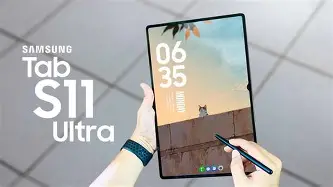
The Galaxy Tab S11 positions itself as a flagship Android tablet aimed at productivity and creative use. Rather than focusing on raw numbers, this review emphasizes practical strengths and limitations in everyday scenarios.
Display and media experience
Samsung’s flagship tablets are known for vivid displays with accurate colors and high contrast, which benefits photographers, illustrators, and anyone who watches video. In real-world use, a bright, color-accurate screen improves photo editing, video streaming, and reading in sunlight. Buyers who plan to use the tablet for content consumption should check display quality in person when possible — small differences in calibration and peak brightness are immediately noticeable during long viewing sessions.
Stylus (S Pen) and creative workflow
The S Pen and its latency, pressure sensitivity, and ergonomics are core to the creative appeal. For note-takers and illustrators, stylus responsiveness directly affects handwriting comfort and drawing accuracy. In practice, test the pen with the apps you intend to use (note apps, layered painting apps, or vector editors). Also confirm whether the S Pen is bundled or sold separately in the chosen configuration or region, and whether the tablet’s keyboard/folio supports a stable working angle for sketching and typing.
Performance and multitasking
Flagship tablet silicon typically handles day-to-day productivity, video editing, and many mobile games well. The difference between a tablet that “feels fast” and one that “struggles” is often the RAM configuration and optimization of the apps used. For heavy multitaskers who run multiple Chrome tabs, cloud-based office suites, and native Android apps side-by-side, choosing a configuration with ample RAM and ensuring the tablet supports Samsung DeX or robust split-screen multitasking is important.
Battery life and real-world endurance
Battery life varies with use: streaming video, sketching with a pen, and charging peripherals like a keyboard folio all affect endurance. For commuters and frequent travelers, look for realistic battery claims (mixed-use tests or hands-on reviews) and consider how charging will fit into a daily routine. It helps to check the type of charging port, fast-charging compatibility, and whether a case or keyboard increases standby drain by preventing the device from sleeping properly.
Storage and expansion
Internal storage matters for large local files such as high-resolution photos, video projects, and app caches. Cloud options help, but they rely on consistent connectivity. Buyers should verify whether their chosen Tab S11 configuration supports microSD expansion or whether the unit must be sized correctly at purchase — choosing too little internal storage is a common, costly mistake.
Software and ecosystem
Samsung offers feature-rich software (DeX mode, system-level multitasking, and Samsung Notes improvements) that can make the tablet feel like a lightweight laptop for many tasks. However, Android tablet app availability and optimization still lag behind tablet-first ecosystems for some professional software. Prospective buyers who depend on niche productivity or specialized creative apps should confirm availability and behavior on Android tablets, or check for reliable web/DeX alternatives.
Find top-rated Laptops & Computers products at great prices.
See Deals →Accessories and build quality
Keyboard folios, protective cases, and active styluses dramatically change the usability of a tablet. In real use, a poor keyboard attachment or a wobbling hinge can degrade typing speed and posture during long sessions. Buyers should confirm accessory compatibility and whether third-party options work with the Tab S11’s magnet mounts and pogo pins (if present). Repairability and warranty policies are also practical considerations: regions and retailers may offer different terms that affect total cost of ownership.
Common buying mistakes — and exactly how to avoid them
- Picking the wrong storage size: Choose the minimum storage based on realistic file sizes for photos, video, and apps. If the Tab S11 does not support microSD, opt for a larger internal size up front.
- Assuming the S Pen or keyboard is included: Confirm what is bundled. If the S Pen is sold separately in some regions, factor that cost into the purchase decision and confirm the accessory model matches the tablet generation.
- Expecting desktop-class app parity: Test key apps and workflows before buying. If a workflow relies on a desktop-only program, the tablet may require a cloud or DeX workaround that could be slower than a laptop.
- Ignoring connectivity needs: If consistent mobile data is required for work on the go, choose the cellular-capable SKU (LTE/5G) rather than relying on tethering or Wi‑Fi-only models.
- Skipping hands-on testing: Keyboard feel, pen latency, and display comfort are subjective — test them in real use: typing for 10–15 minutes, drawing for 5–10 minutes, and watching a video in a bright store area.
- Overlooking warranty and repair options: Check the warranty duration and consider extended coverage if using the tablet for professional work.
- Buying accessories without compatibility checks: Verify that the keyboard folio layout, magnetic attachment, and trackpad behavior work as expected and support regional key layouts.
Pros & Cons
Pros
- Strong display quality that benefits media consumption and creative work.
- Stylus integration for natural note-taking and drawing workflows.
- Good portability and battery life for mobile productivity.
- Desktop-like features (DeX, multi-window) that expand use cases beyond casual browsing.
- Robust accessory ecosystem, including keyboard folios and cases, that improve flexibility.
Cons
- Android tablet app ecosystem still has gaps compared to some competitors for pro software.
- Higher-tier configurations and accessories can significantly increase total cost.
- Storage is often fixed at purchase; low-capacity models can fill up quickly with media and projects.
- Repairs and warranties vary by region; service can be costly without protection plans.
- Some buyers may overestimate the tablet as a full laptop replacement for certain desktop workflows.
How the Galaxy Tab S11 stacks up — quick comparison
| Feature | Samsung Galaxy Tab S11 (general) | Apple iPad Pro (typical comparison) | Light Windows Laptop/Convertible |
|---|---|---|---|
| Operating system | Android with Samsung enhancements (DeX/multi-window) | iPadOS (app ecosystem optimized for tablets) | Windows (desktop applications and full legacy support) |
| Stylus experience | Integrated S Pen support; low latency options | Apple Pencil with strong app optimization | Pen support varies; often passive or third-party active pens |
| Productivity | Great for mobile productivity and DeX workflows | Excellent for creative apps, strong ecosystem | Best for full desktop productivity and specialized software |
| Accessory cost | Keyboard folios and pens can add significant cost | Keyboards and Pencil are add-ons; ecosystem stable | Often includes ports and upgradeability, fewer add-on dependencies |
| Portability | Very portable — suitable for travel and commute | Very portable; highly optimized | Portable convertibles available, but typically heavier |
| App availability for pros | Good, but some pro apps limited or not optimized | Strong tablet-first app support | Full desktop apps available |
Buying guide: checklist and recommendations
Use this checklist to match the Tab S11 configuration and accessories to the buyer’s primary use case.
1. Define the primary use case
- Creative work (drawing, photo editing): Prioritize display quality, S Pen performance, and ample storage. Confirm app compatibility (layering, brushes, color management).
- Productivity (documents, spreadsheets, email): Look for keyboard folio compatibility, DeX support for windowed apps, and sufficient RAM for multitasking.
- Media and casual use: Lower storage may suffice if streaming is the norm; focus on display and speaker quality.
- Travel and fieldwork: Prefer cellular models, rugged or protective cases, and longer battery life.
2. Choose storage and RAM with margins
Estimate true storage needs with a conservative buffer: large photo libraries, cached video, and apps can consume more space than anticipated. When in doubt, opt for the next storage tier or verify microSD support. For heavy multitasking, choose higher RAM configurations to keep multiple apps and browser tabs responsive.
3. Confirm accessory compatibility and ergonomics
Keyboard layout, hinge stability, and trackpad responsiveness change the tablet experience. Try typing for a sustained period to assess comfort, and test the device with the official keyboard if possible to avoid surprises with third-party alternatives.
4. Validate the stylus experience
Test the S Pen on the tablet with your target apps. Evaluate latency, pressure curves, and whether shortcuts or gestures meet workflow needs. If the S Pen is sold separately, add that cost to the budget.
5. Check connectivity and ports
Decide whether Wi‑Fi-only is enough or if cellular (LTE/5G) is worth the extra expense. Check the port type (USB-C, Thunderbolt) for fast data transfers and external display support, and confirm the presence of an audio output if needed.
6. Research software update policy and ecosystem
Software longevity matters: longer update commitments mean a tablet will stay secure and gain features for years. Also, ensure critical apps are available and well-supported on Android or have competent web/DeX alternatives.
7. Consider service, warranty, and insurance
For professionals who rely on the device, extended warranty or accidental damage protection reduces downtime risk. Check repairability, local service centers, and how quickly common issues are resolved in your region.
Shop the latest Laptops & Computers picks on Amazon.
Shop Amazon →8. Don’t forget practical accessories
Essential additions often include a protective case, a keyboard folio (for productivity), and a high-quality stylus tip replacement kit if drawing heavily. Cable and charger specifications matter — ensure the included charger matches fast-charging claims or budget for a reputable replacement.
Real-world scenarios and advice
Below are common buyer profiles and targeted recommendations that prevent typical regrets.
Student on a budget
Choose a configuration with balanced storage and a reliable keyboard solution. If lectures are recorded or class materials are cloud-based, a moderate storage model plus cloud backup works. Prioritize portability and battery life over top-end specs.
Illustrator or visual creator
Invest in a high-storage model and verify S Pen behavior in the drawing apps that matter. A color-calibrated display and a comfortable keyboard/fold for long sessions are worth the extra cost.
Remote worker or business traveler
Pick a cellular model if consistent internet access is critical. Confirm DeX or a comparable desktop-mode workflow supports the specific productivity apps used for work. Add warranty/insurance to minimize downtime during travel.
Casual media consumer
Prioritize display, speakers, and lightweight cases. A Wi‑Fi-only model with modest storage is typically sufficient, paired with streaming subscriptions and cloud photo storage.
Checklist before checkout
- Have the primary use case and must-have apps been tested on the device?
- Is the chosen storage size enough for projected file sizes with room to spare?
- Are the S Pen and keyboard included or available and compatible?
- Does the model include cellular connectivity if needed?
- Is the warranty sufficient or is extended coverage required?
- Are repair options and customer service response times acceptable in the buyer’s region?
Conclusion
The Samsung Galaxy Tab S11 has the potential to be a versatile, portable, and beautiful device for a wide range of users — but the experience depends heavily on choices made at purchase. The most common mistakes are predictable and avoidable: underestimating storage needs, assuming accessories are included, ignoring cellular options for mobile work, and failing to validate app compatibility. By clarifying the primary use case, testing the pen, keyboard, and apps in advance, and choosing storage and protection that match real needs, buyers can avoid buyer’s remorse and get a tablet that genuinely improves productivity and creativity. Careful selection up front saves money and frustration later, turning the Tab S11 from a nice gadget into a reliable daily tool.